Services We Offer
Instruments
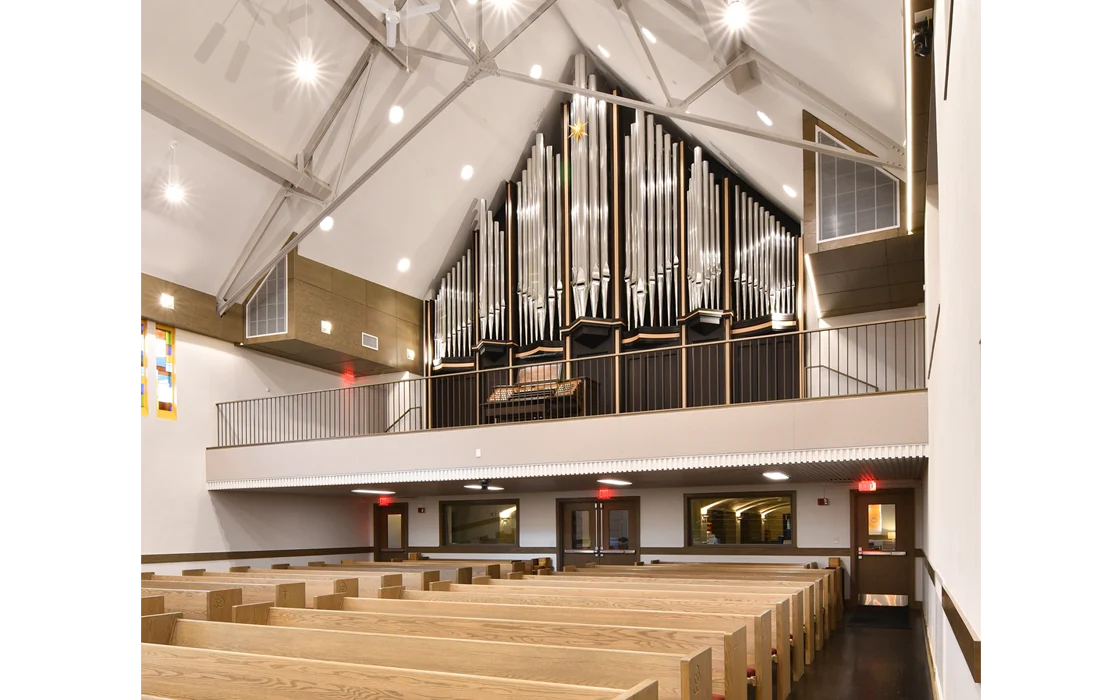
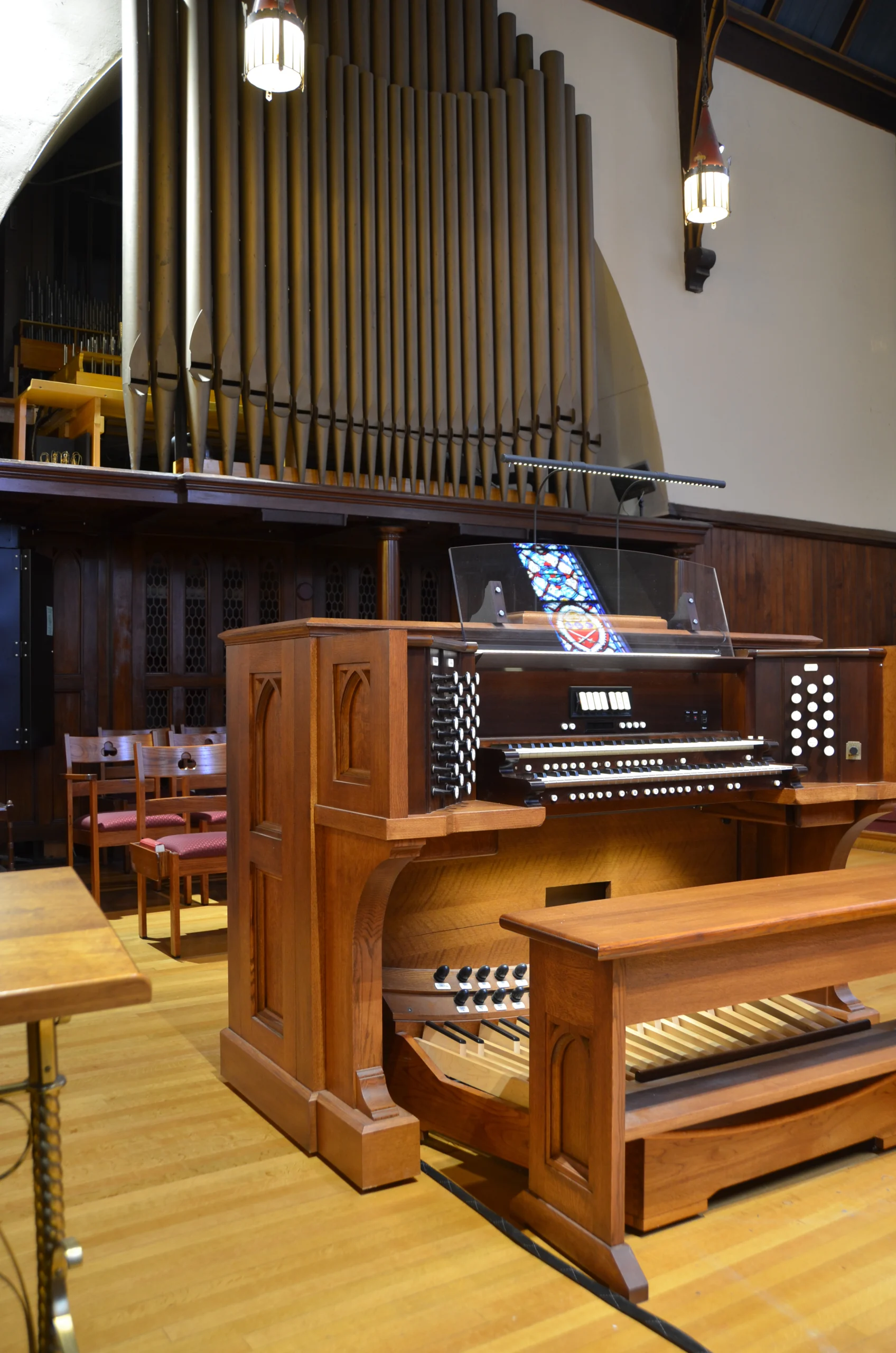
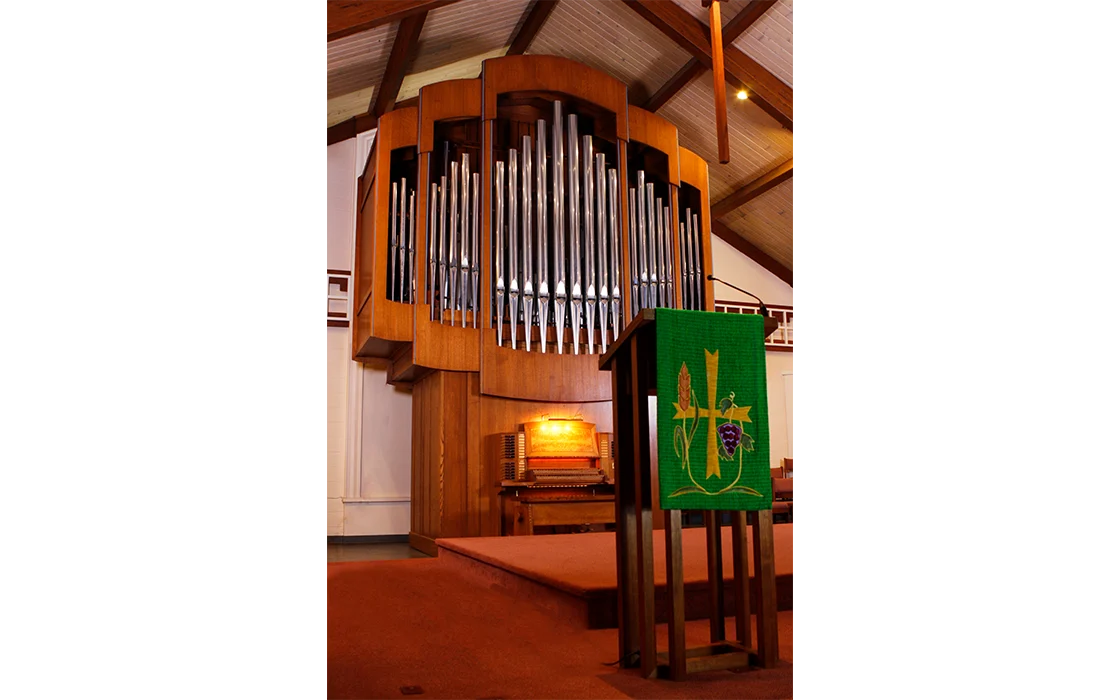
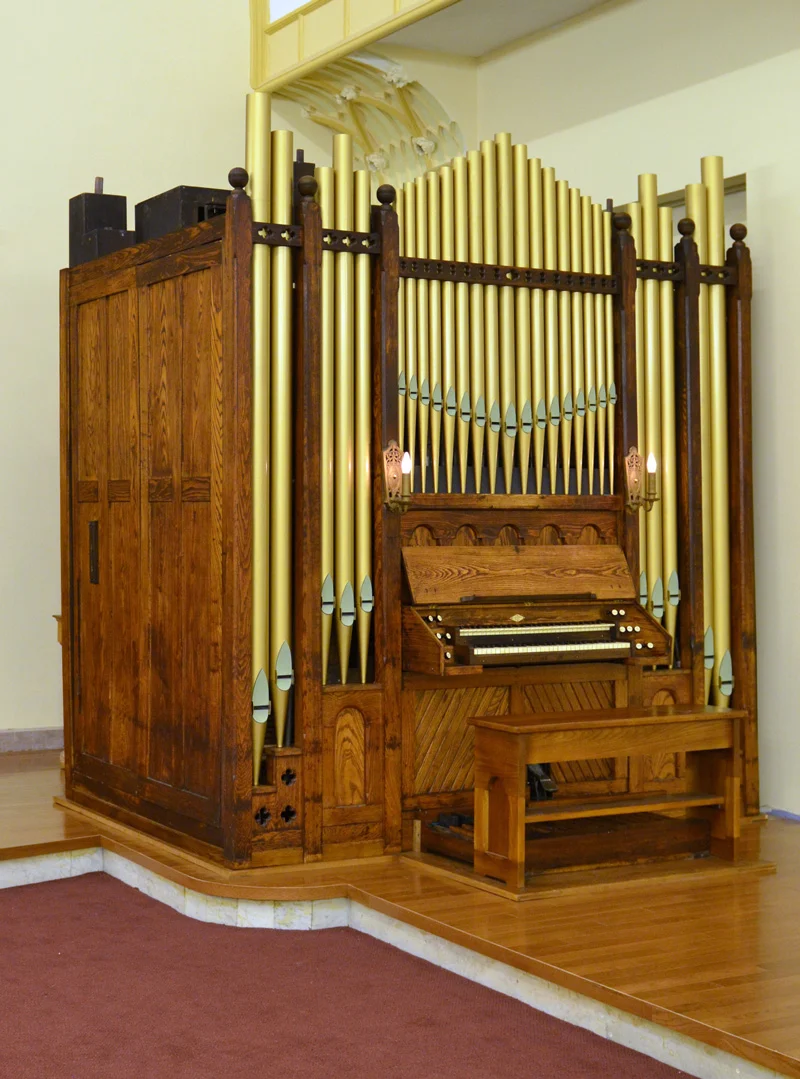
Organ building is a unique and distinctive artform that affords us the opportunity and privilege to work in collaboration with our clients to achieve works of singular beauty. Initially, we strive to gain a thorough understanding of our clients’ needs and expectations and from there determine how to bring our set of values, our deep knowledge of organ building and our discerning set of skills to the project at hand.
Throughout the design and construction processes, we use a disciplined approach that results in a custom-built instrument of superior quality. With respect to the pipe organ, quality is measured by the successful realization of the tonal concept, the flawless operation of the organ’s mechanism and the creation of a visual design suggestive of the organ’s prominent liturgical or institutional role that aligns appropriately with the room’s architecture. Above all else, the organs we build are designed to meet our clients’ highest expectations.
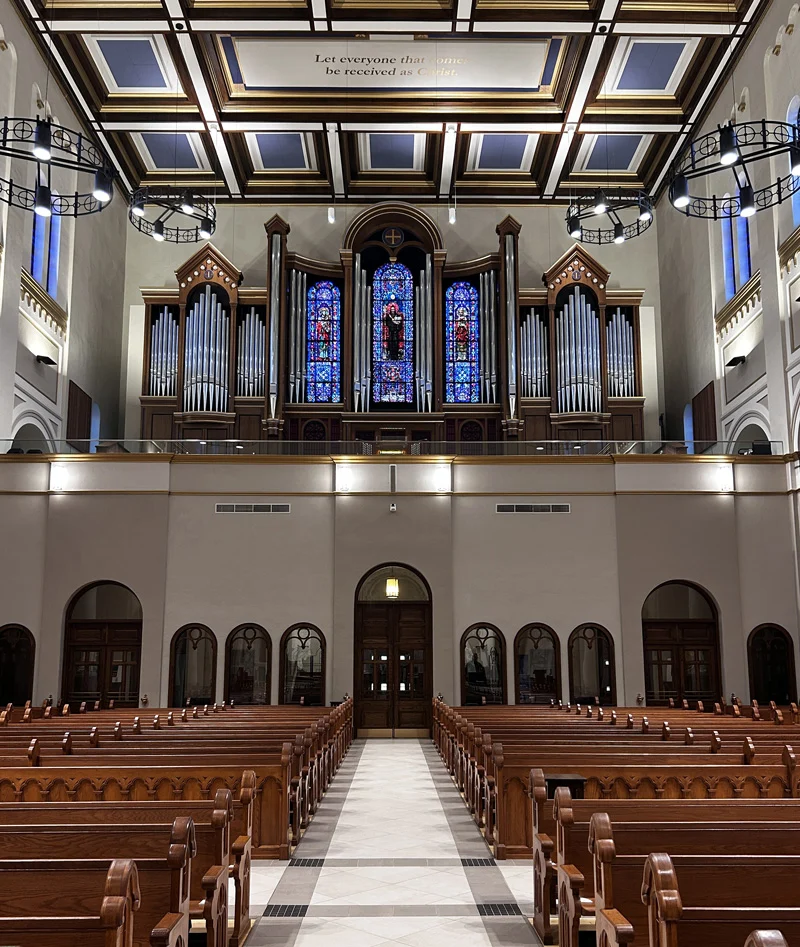
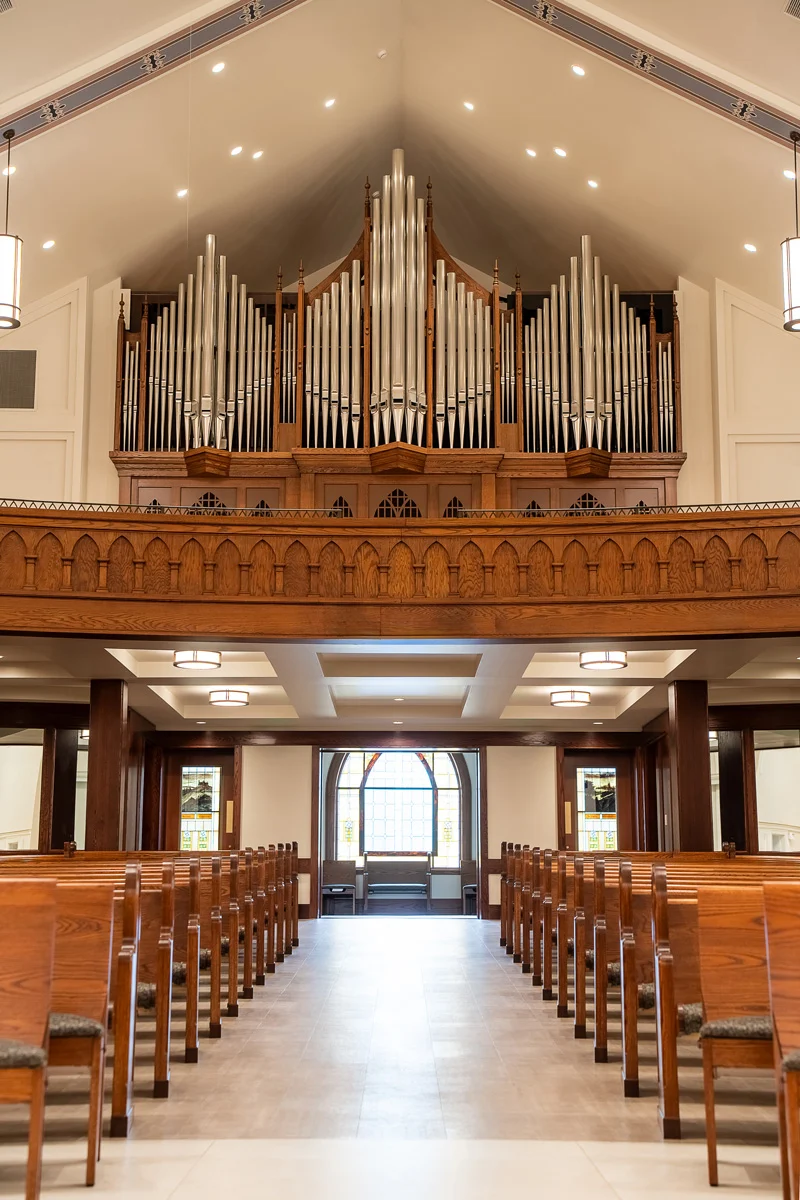
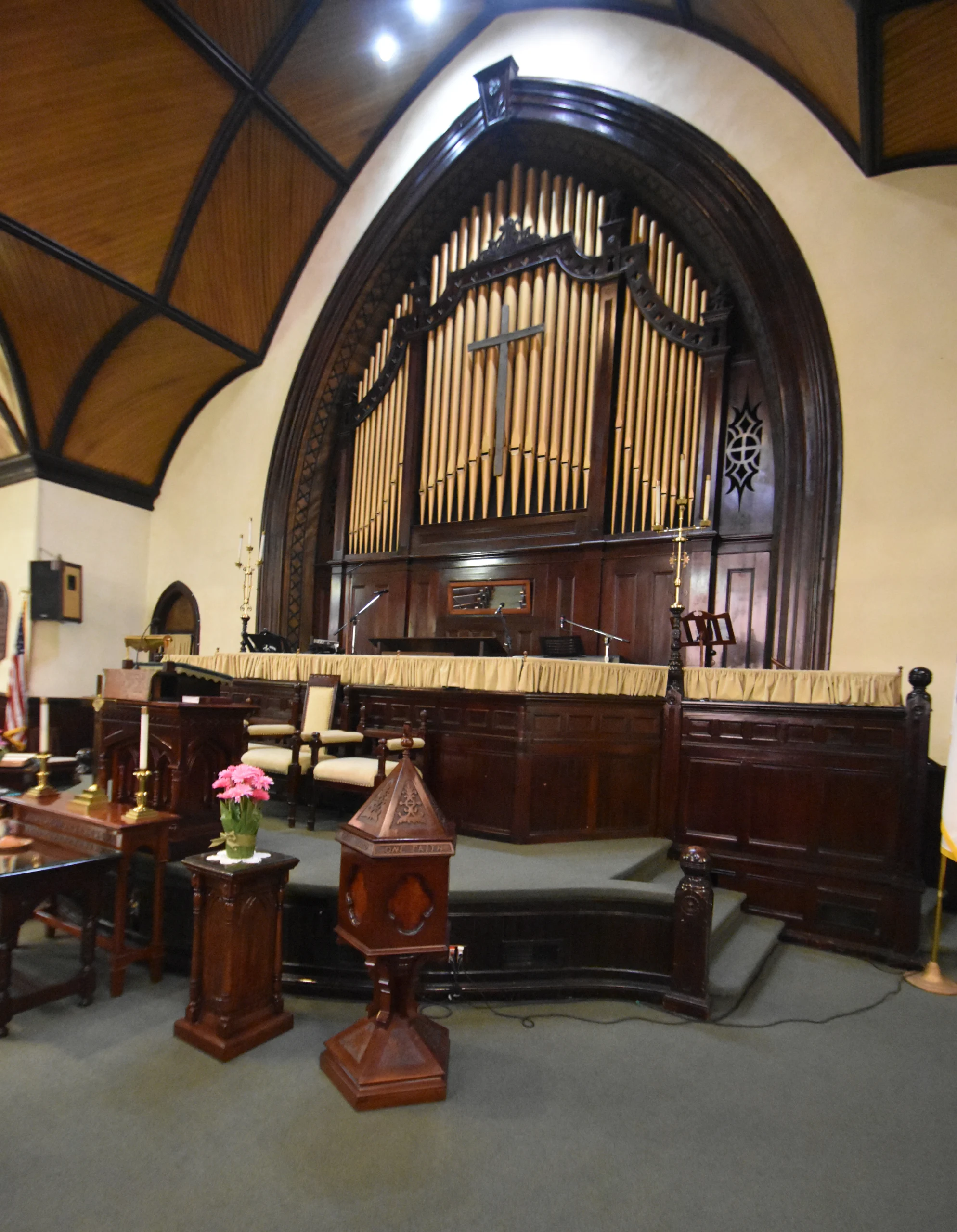
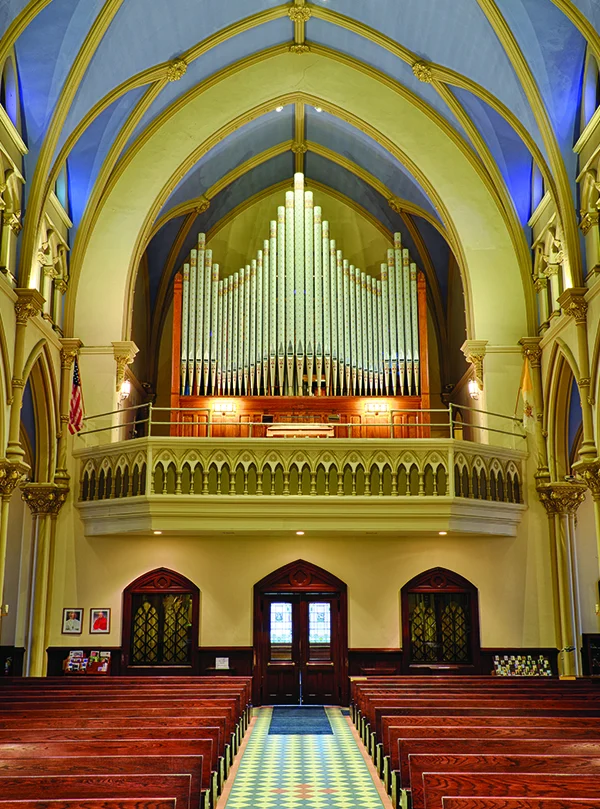 Restoration differentiates itself from Rebuild in that the goal of restoration is to return the deteriorated components to their original condition without alteration in purpose or performance. Instruments attributed with significant mechanical, artistic, historical, tonal or cultural significance are to be preserved. This approach seeks to copy both material and techniques and will typically include research and documentation. This approach can sometimes include minimal alteration or intervention to correct deficiencies in performance but must be detectable and reversible. Guidelines for Conservation published by the Organ Historical Society are the essential reference tool.
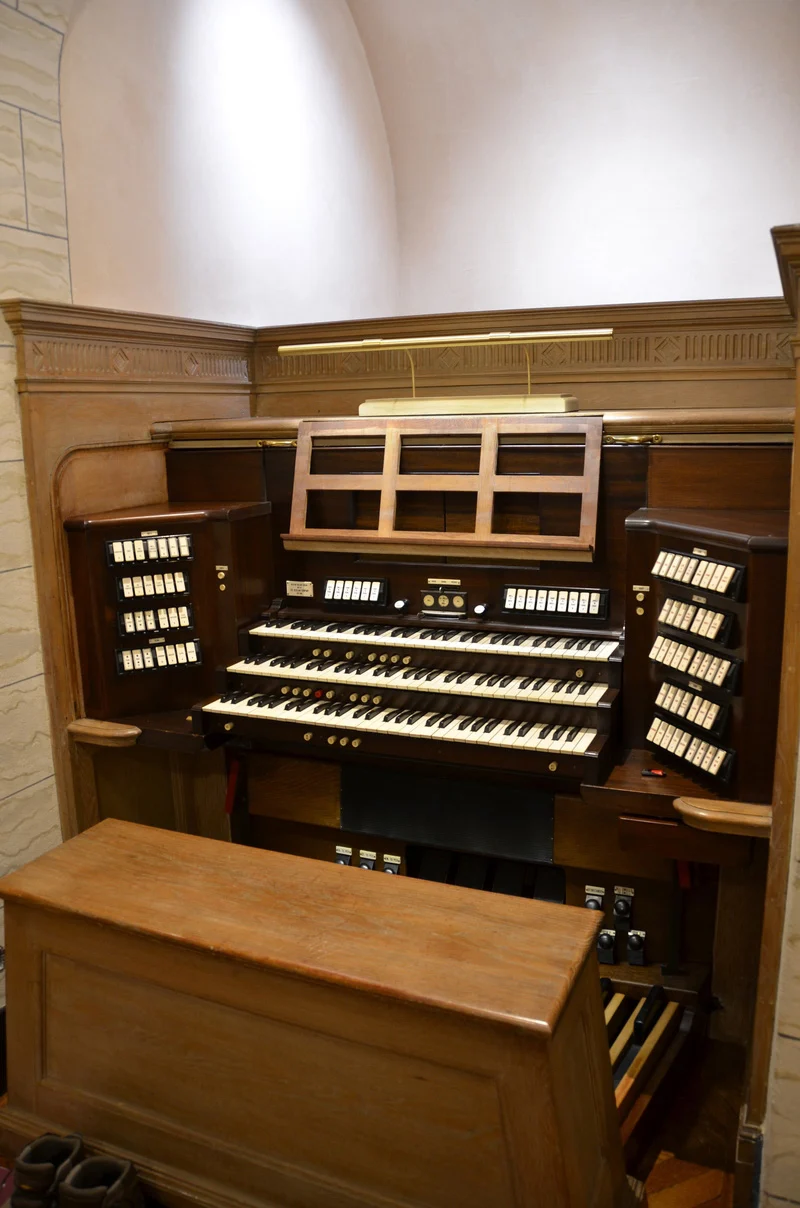 In a project that is a Rebuild, the expectation is that the organ is one of high standards and has simply reached an age where materials have deteriorated and need replacement. This is typically a comprehensive approach to setting-back-the-clock to make the organ like new. The type of project may also include certain additions or upgrades to correct deficiencies. Such changes typically include a new solid-state control system to replace antiquated relays and contacts or the addition of pipework to change or add to the tonal palette of the instrument.
Tuning and Maintenance
Parsons is the premier tuning and technical service company in New York State. Our staff oversees the care of over 250 pipe organs on an annual basis. As an organbuilding firm, our service staff is equipped for every aspect of a thorough repair project, including: flue and reed voicing; woodworking and refinishing; electrical work and solid-state troubleshooting; and the fabrication of custom components for any pipe organ.
We are often asked about the advantages of a Pipe Organ Tuning Contract. This agreement between our firm and your church benefits both parties. Some of these benefits are listed below.
Lower Rates:
For onsite work, this lower service rate is valid for the term of the contract. Currently, prepaid contract customers receive a 10% labor discount.
Reduced travel expenses:
We will pre-schedule you as a contract client when we plan a trip to your area. This means you save by sharing travel time and expenses with other clients on the itinerary.
No Surprises:
You know who is coming to work on the pipe organ. You can expect consistent service performance, year after year. The contract specifies the length of the normal tuning visit, describes our duties, and outlines our mutual responsibilities. There are no questions; we all know what to expect.
Updates and status reports:
We keep complete records; temperatures in the organ, the pitch of the organ; and any problems encountered during a tuning call. Good record keeping enables us to provide you with recommendations for proper care of the instrument. Our reports alert your staff to items in need of attention to preserve and prolong the life of the pipe organ
Disaster Restoration
In the event of a catastrophic disaster, we are certified and experienced in working together with your insurance company and committee members. We address all components of the pipe organ, both tonal and mechanical. Our firm has been licensed in fire and water damage restoration, odor removal, decontamination and disinfection. We are qualified to consult and provide you with a proposal and thorough evaluation for insurance in loss assessment and project management. Our years of experience in collaborative project management enable us to plan, control and execute your project to ensure the highest quality result achieved on time and within budget.
Our services include: consulting; evaluation of instrument integrity; loss assessment; proposal evaluation; top-to-bottom detailed restoration; pipework rescaling and revoicing; project management; which equals, a complete restoration services company.
To ensure success in each rebuilding project, we address all components of a pipe organ, both tonal and mechanical. The tools for accomplishing this include: the use of computer graphics; rescaling and revoicing of pipework; evaluation of structural integrity; and, consideration of all component materials for their longevity. Continuing education allows us to stay abreast of the latest materials and procedures essential for the maintenance and restoration of any style instrument
Console & Electronics Updating
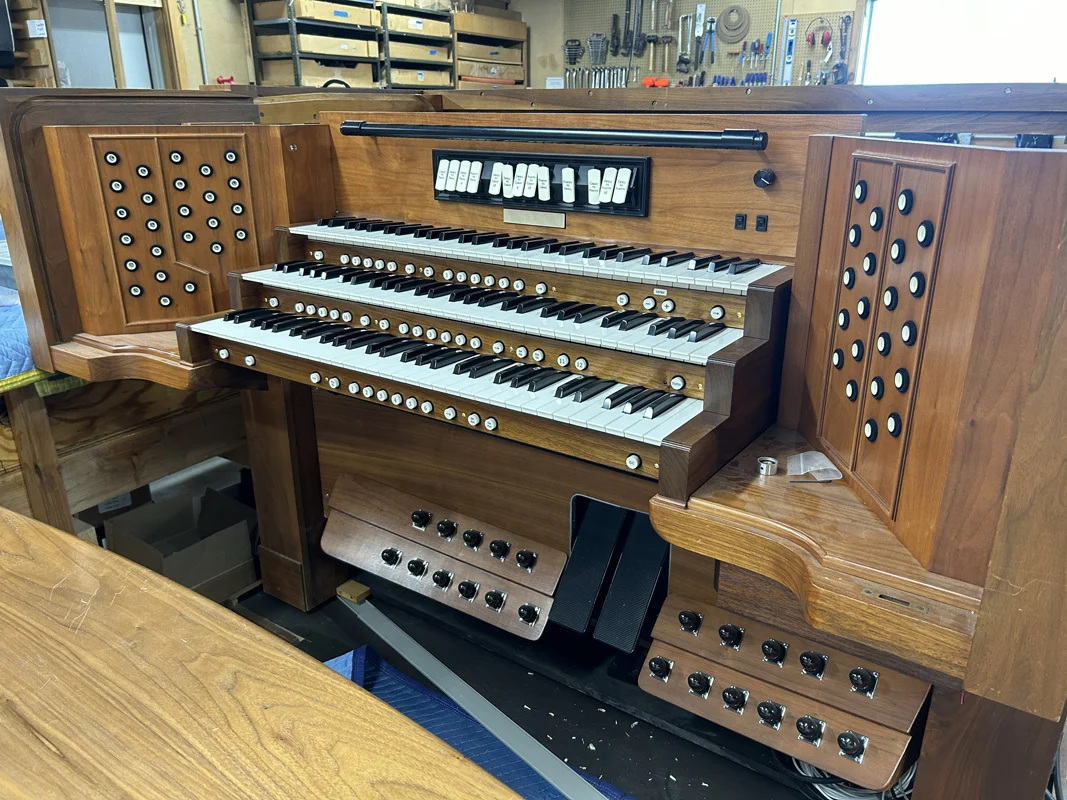
Console electronics are the heart of an instrument’s control system and directly affect an organist’s experience with an instrument. As systems age and mechanisms deteriorate, maintenance becomes more difficult and ensuring reliable performance becomes more challenging.
Of course, while dependability is key, modern technology significantly expands functionality by supporting playing aids such as multiple memory levels, piston sequencing, MIDI integration, and customizable control options; all this without compromising the instrument’s traditional character.
Rewiring is often a critical part of this process. Over time, original non-compliant wiring can become brittle, unreliable and even unsafe. Installing new, clearly structured wiring not only ensures reliability, it also makes future maintenance significantly easier, allowing technicians to quickly diagnose and service an instrument.
Parsons has extensive experience upgrading console electronics and wiring and understands the importance of a church’s investment in the future of their instrument. That investment ensures dependable performance, simplifies maintenance, and enhances the overall playing experience for years to come—allowing the organ to continue serving musicians and congregations at the highest level.