Project 47
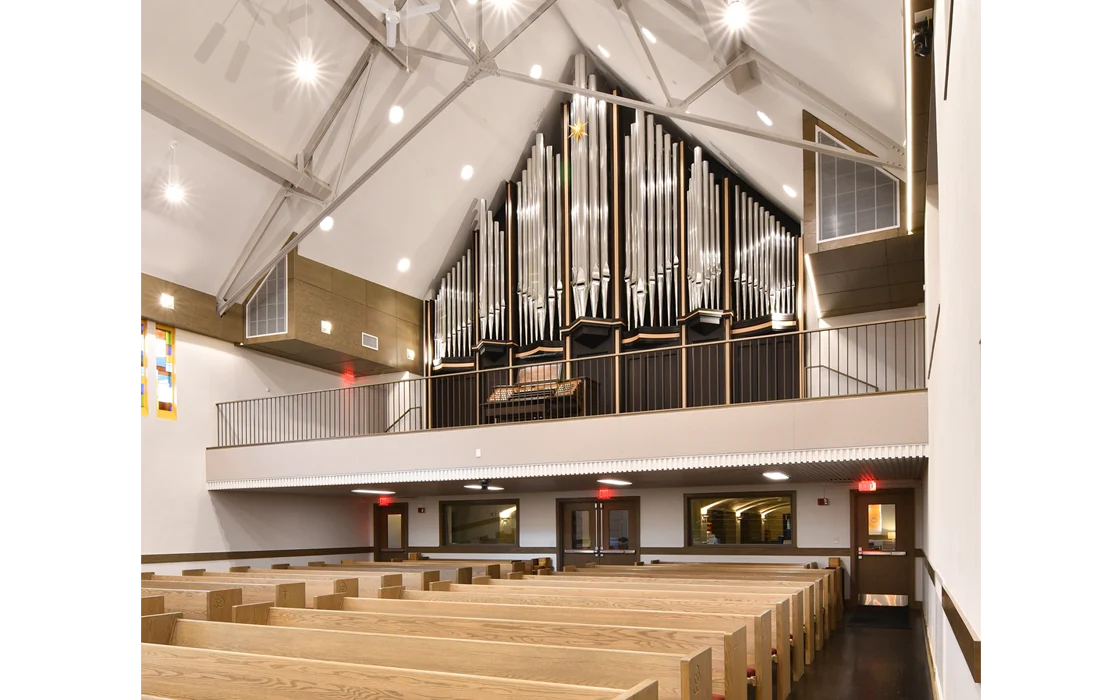
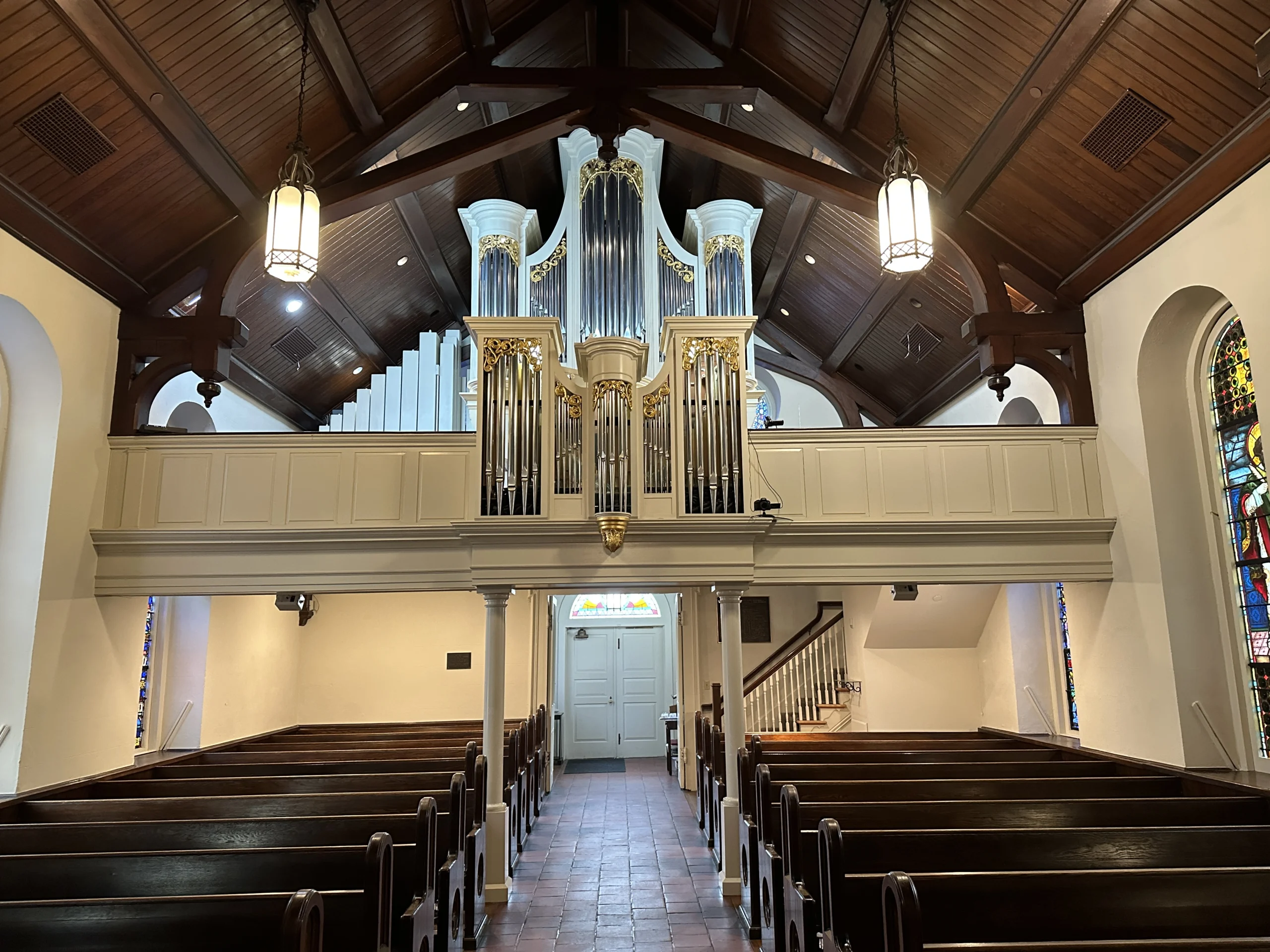
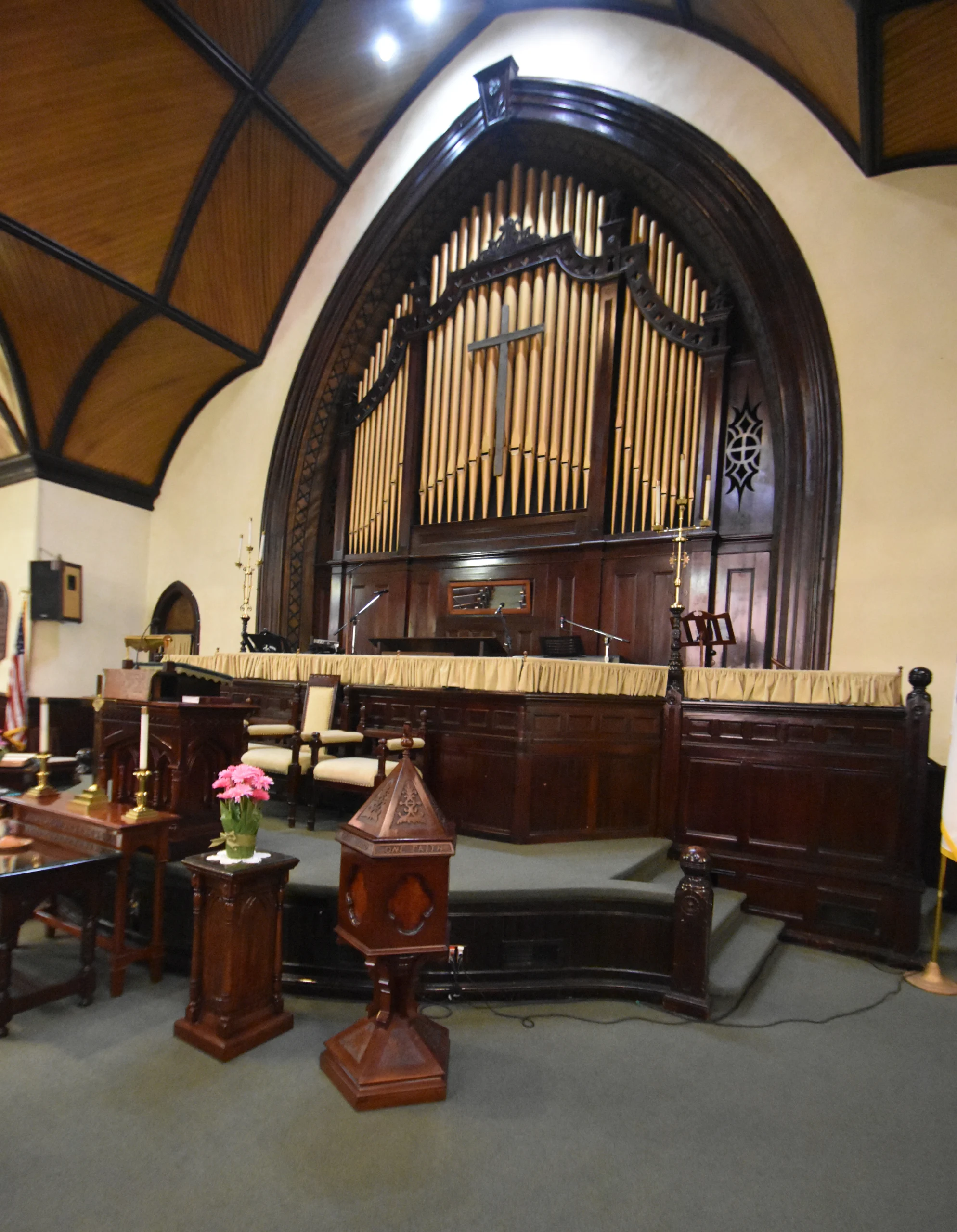
Parsons’ Project 47 (27 ranks, 1,480 pipes) remanufactures the 1991 St. John’s Delaware organ, which was itself a rebuild of an earlier 19th-century tracker instrument. Although the 1991 project aimed to improve the organ’s tonal and mechanical versatility, budget constraints limited the work, and the results were only partially successful. Over time, it became clear that the instrument needed a more comprehensive rebuild to resolve reliability issues and correct tonal deficiencies.
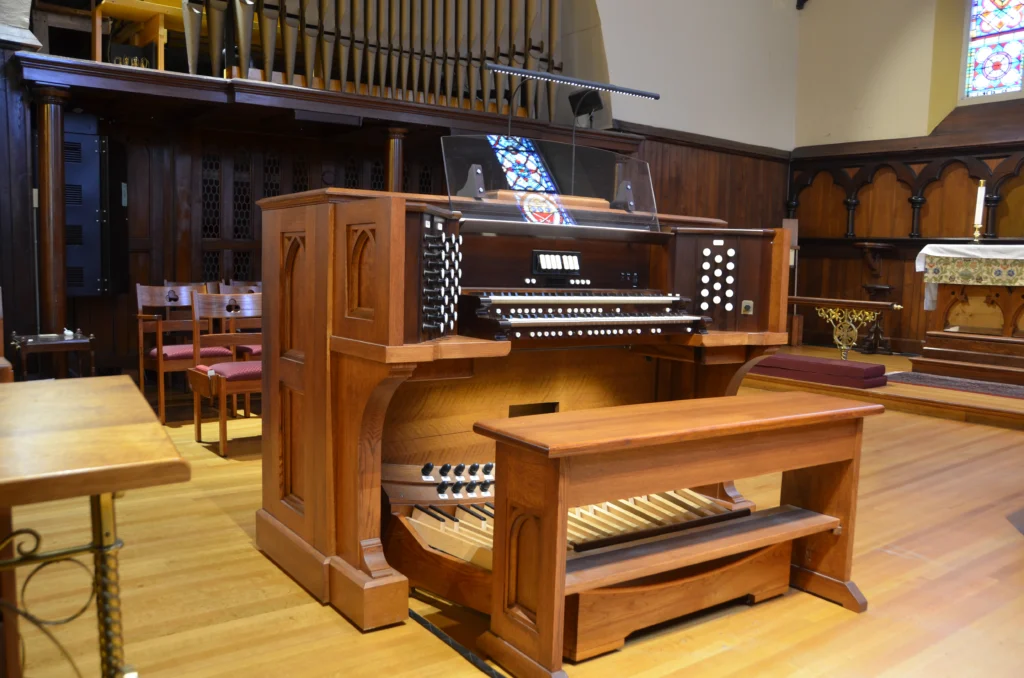
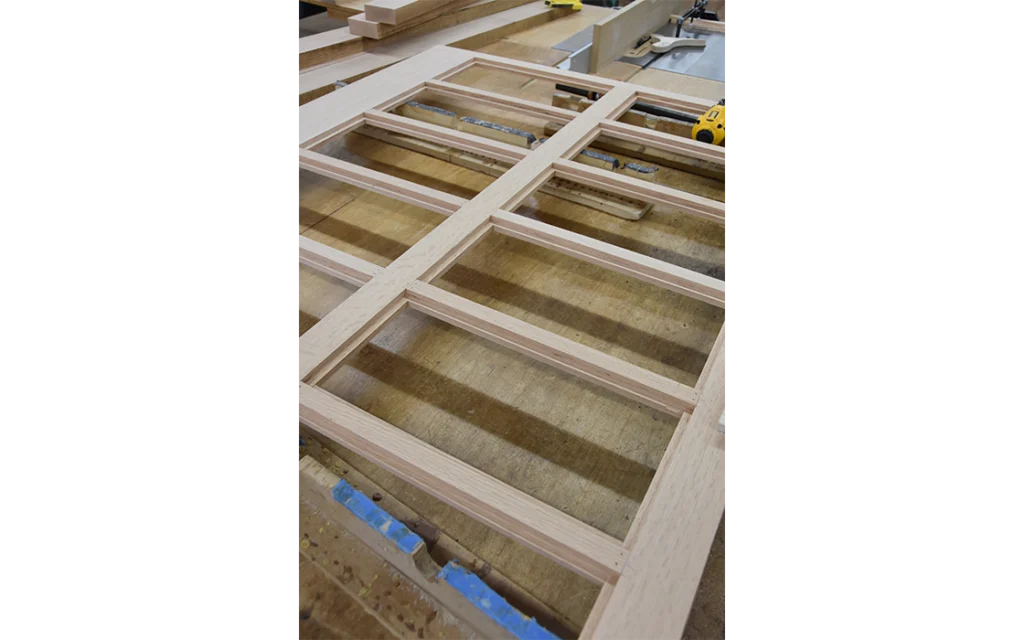
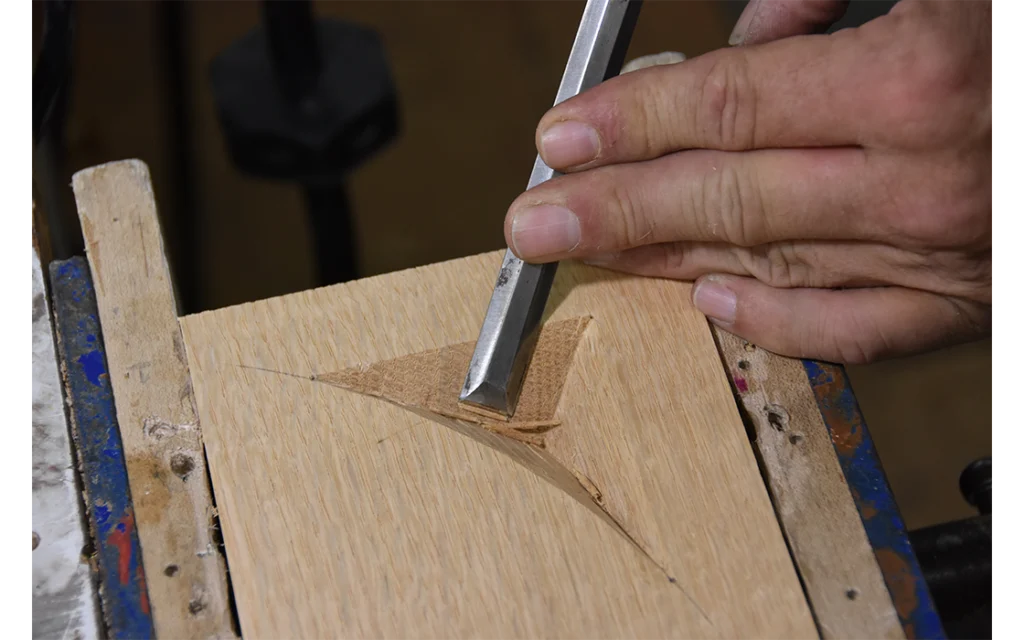
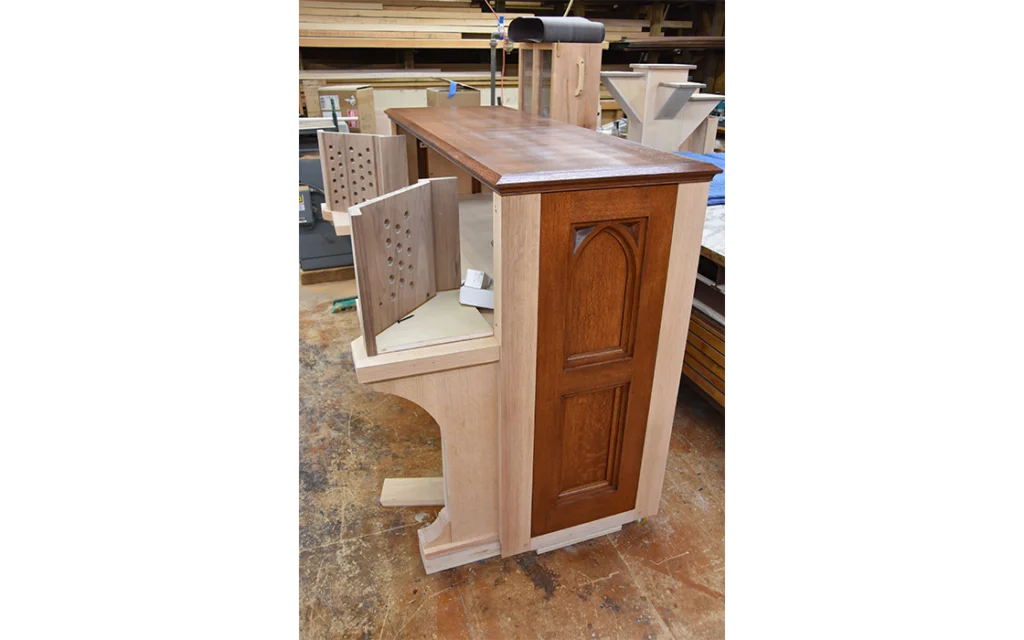
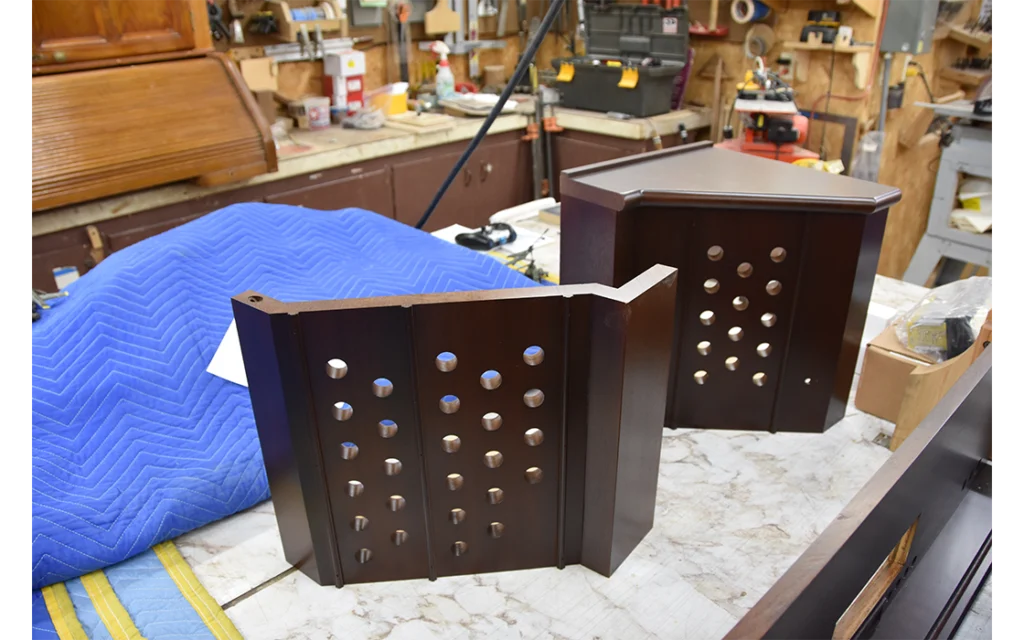
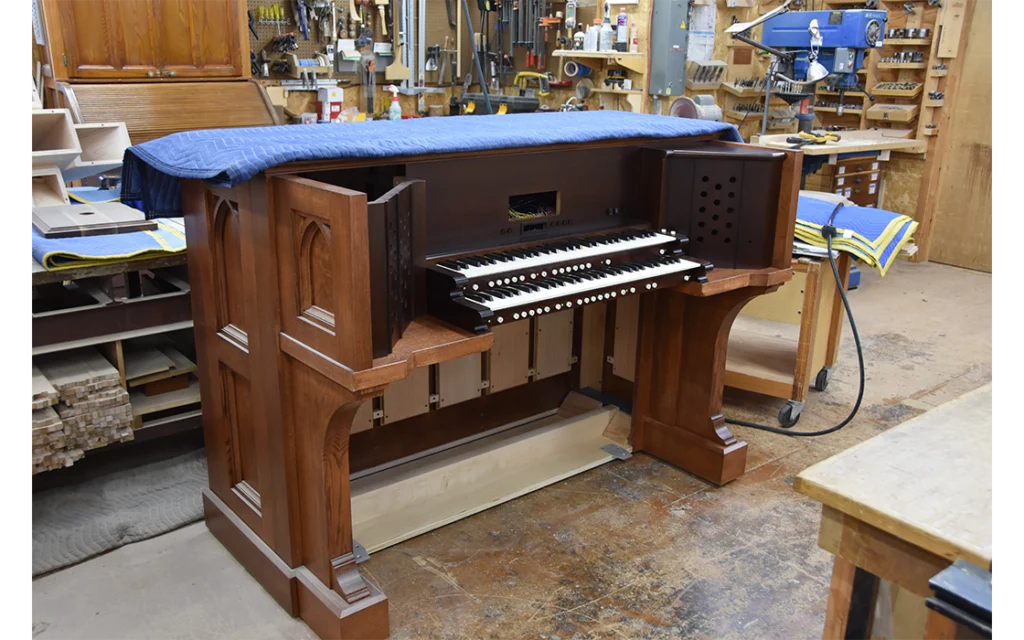
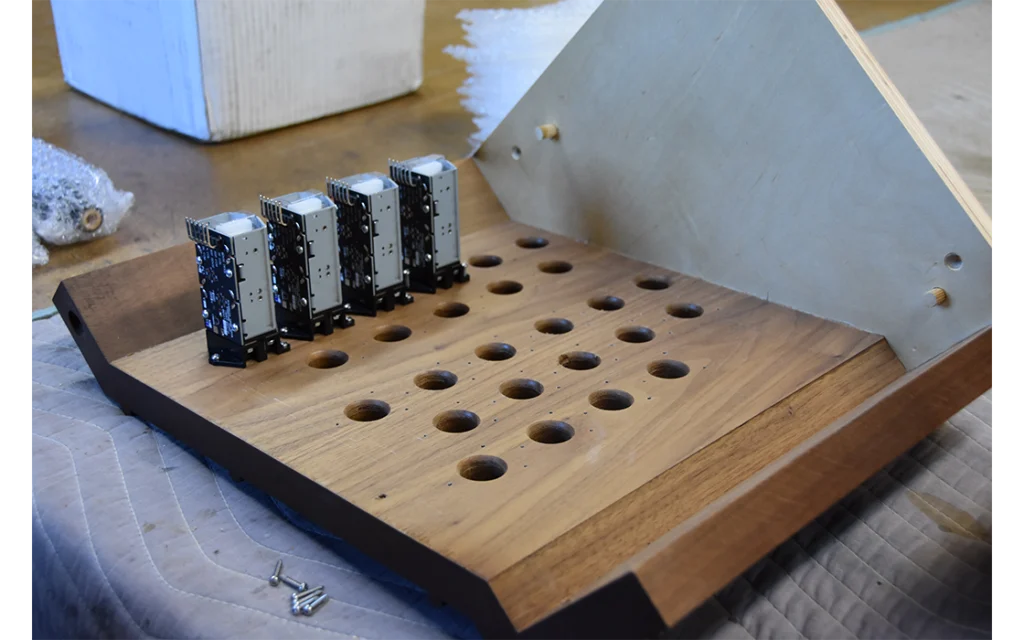
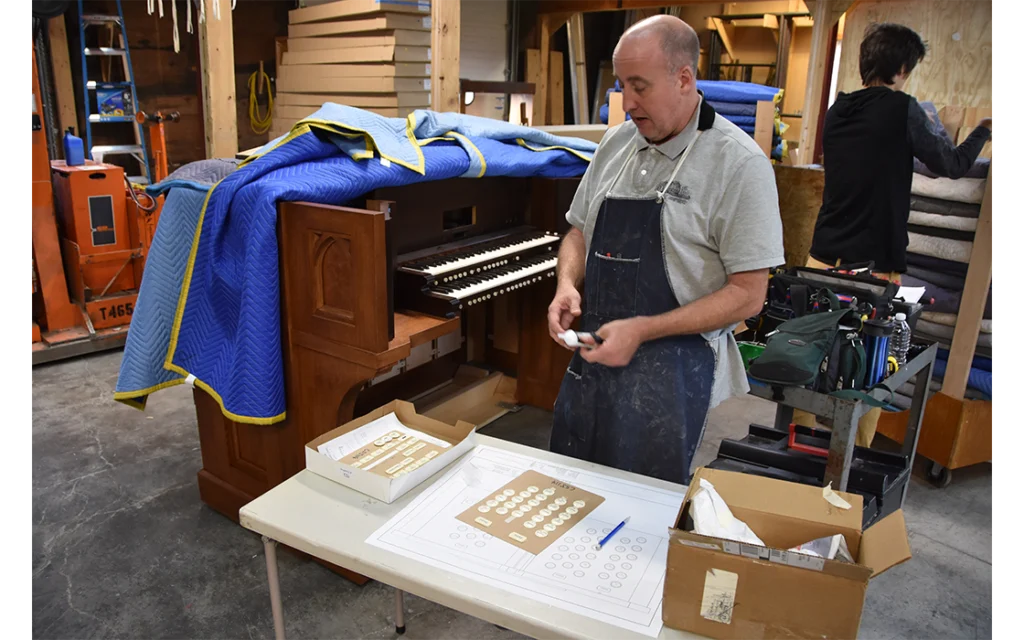
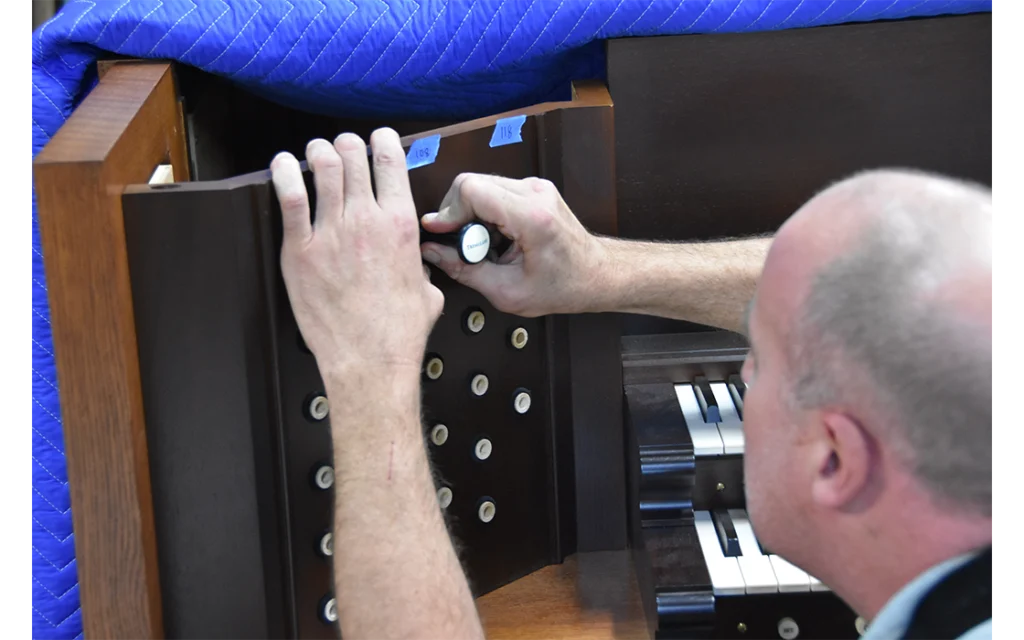
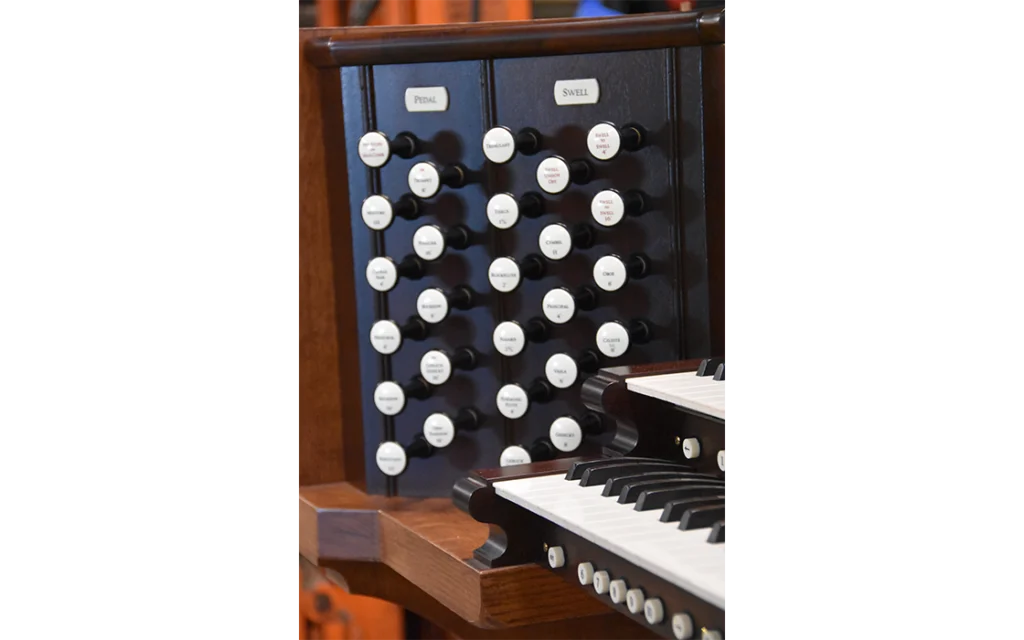
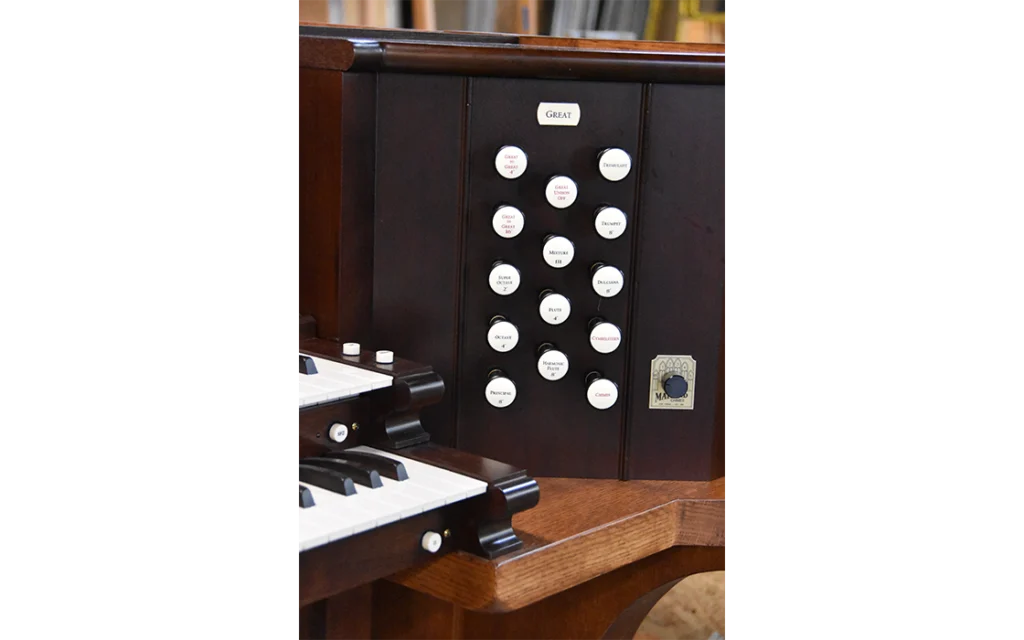
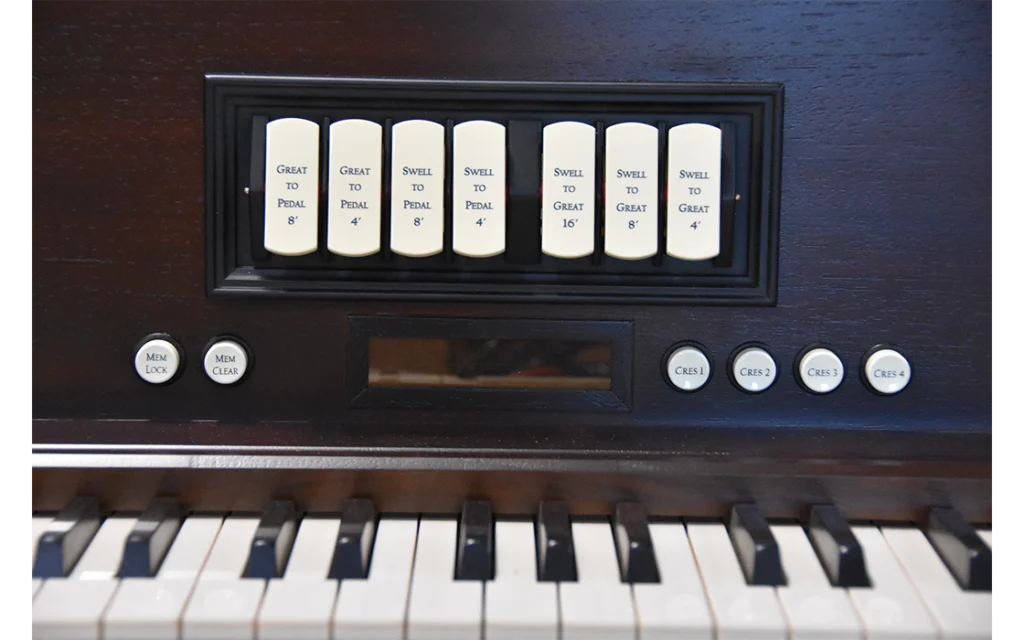
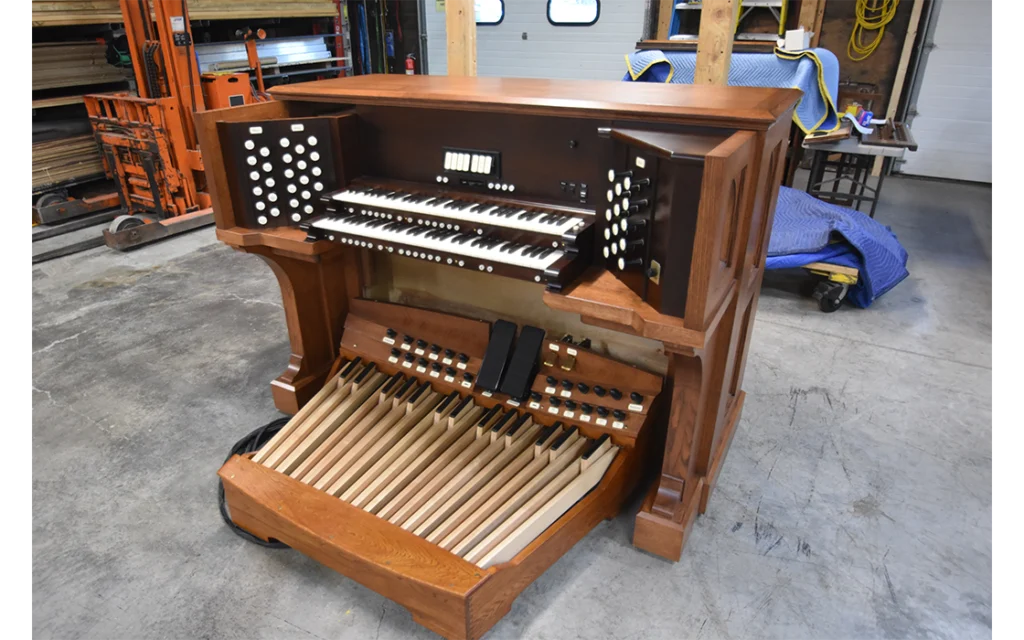
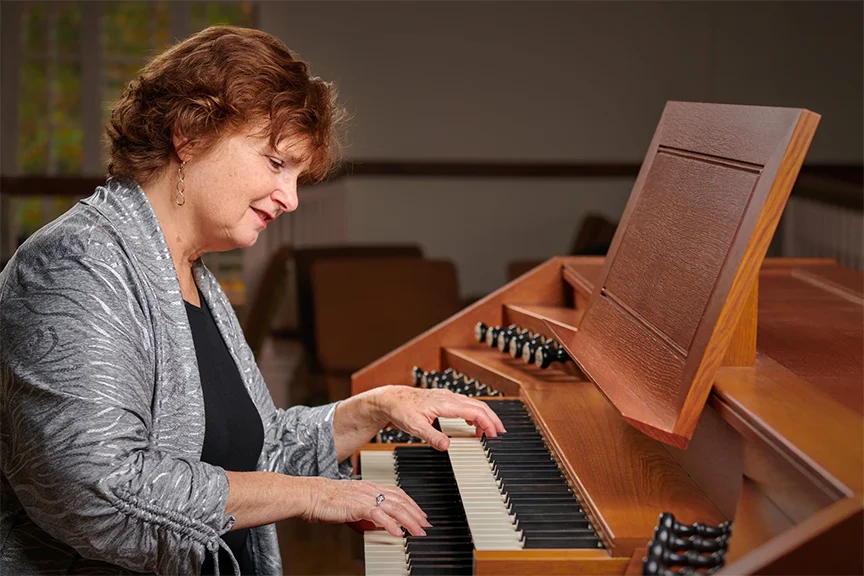
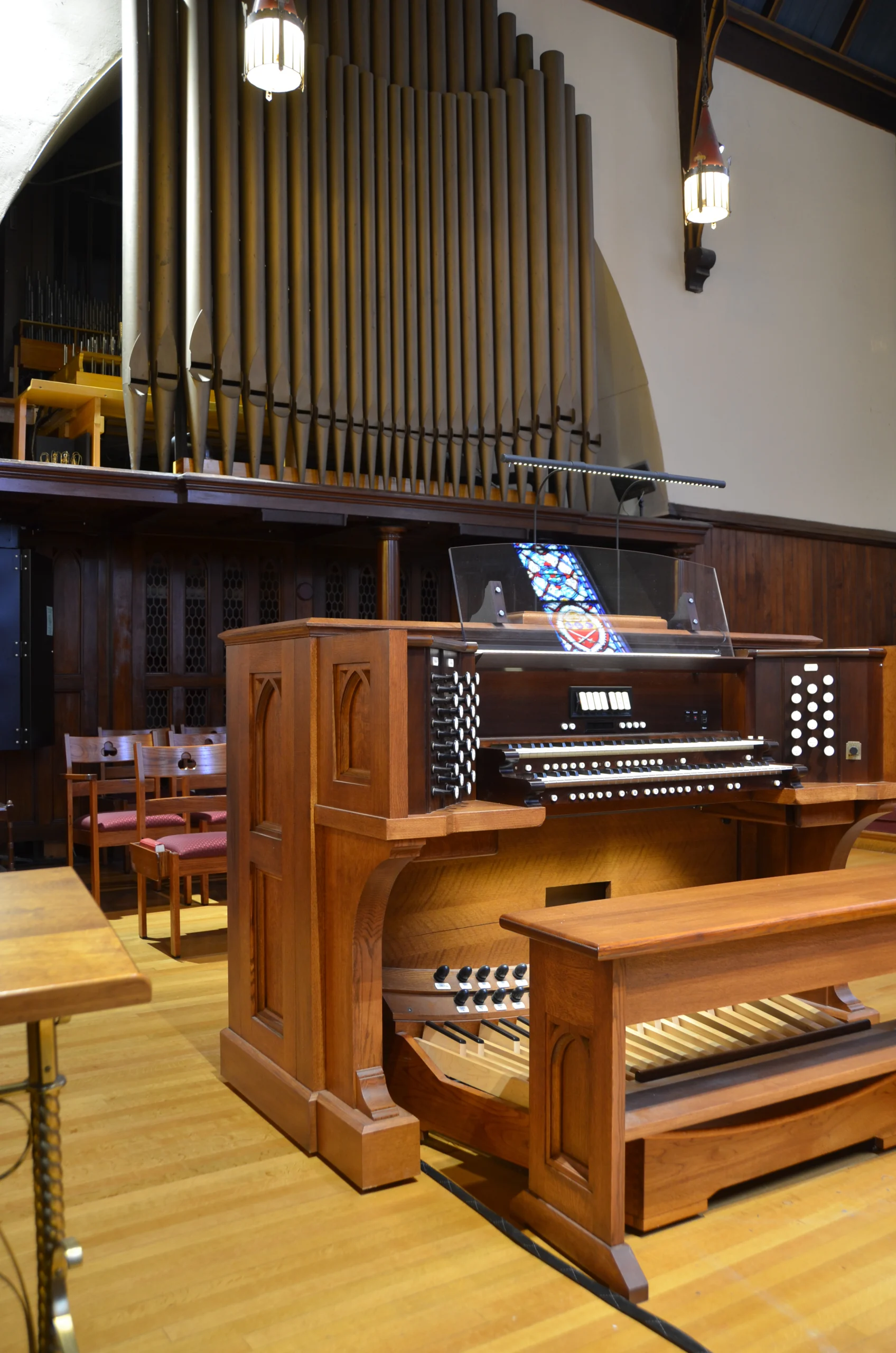
This project started with the replacement of the organ console. The previous console was found to be poorly constructed, fraught with operational problems, and was all but unserviceable. A new console case was designed with all-new components: new manual and pedal keyboards; new stop and accessory controls; and a new solid state control system with a myriad of features designed to aid organists in getting the most out of the instrument. This made rewiring the organ itself a necessity for compatibility with the new console and providing proper fusing and other safety features. All this topped off with a new height adjustable bench.
A new wind system was devised to address the wind pressure issues that resulted wind sagging and inconsistent pipe speech. At the heart of this new system is a new wedge-style bellows. A single bellows now controls both manual divisions, allowing them to react in unison. The addition of concussion bellows ensures a natural breathing of pipes as they are called to play in varying combinations. The Pedal division, which inherently uses more wind, is provided with its own pressure regulator, isolating it from the manual stops. Finally, new wind conduits of proper size were designed to make sure there were no restrictions in the supply of air to the various windchests.
Two Pedal windchests were built new (rather than restored) and raised on a new structure to allow better serviceability. Various modifications were made to the case to allow better access to the instrument, as well as allow better tonal egress into the chancel. A new Tremulant was provided, as well as a new electric swell motor (expression control), and a new Cymbelstern.
To address the tonal inadequacies of the organ, the existing pipework was repaired (where needed) and revoiced. The two manual 8’ flutes were found to be tonally inadequate and replaced with pipework from Parsons’ stock to better serve the sound of the organ. The reeds were found to be poorly constructed and lacking character and were replaced with a new Trumpet and Oboe.
The ultimate goal of this was to provide an instrument that is both beautiful, versatile, and fulfills the requirements of the liturgy at St. John’s. And when called for greater things, the organ’s wide range of dynamic levels and colors allows it to render the long history of organ literature.