Services
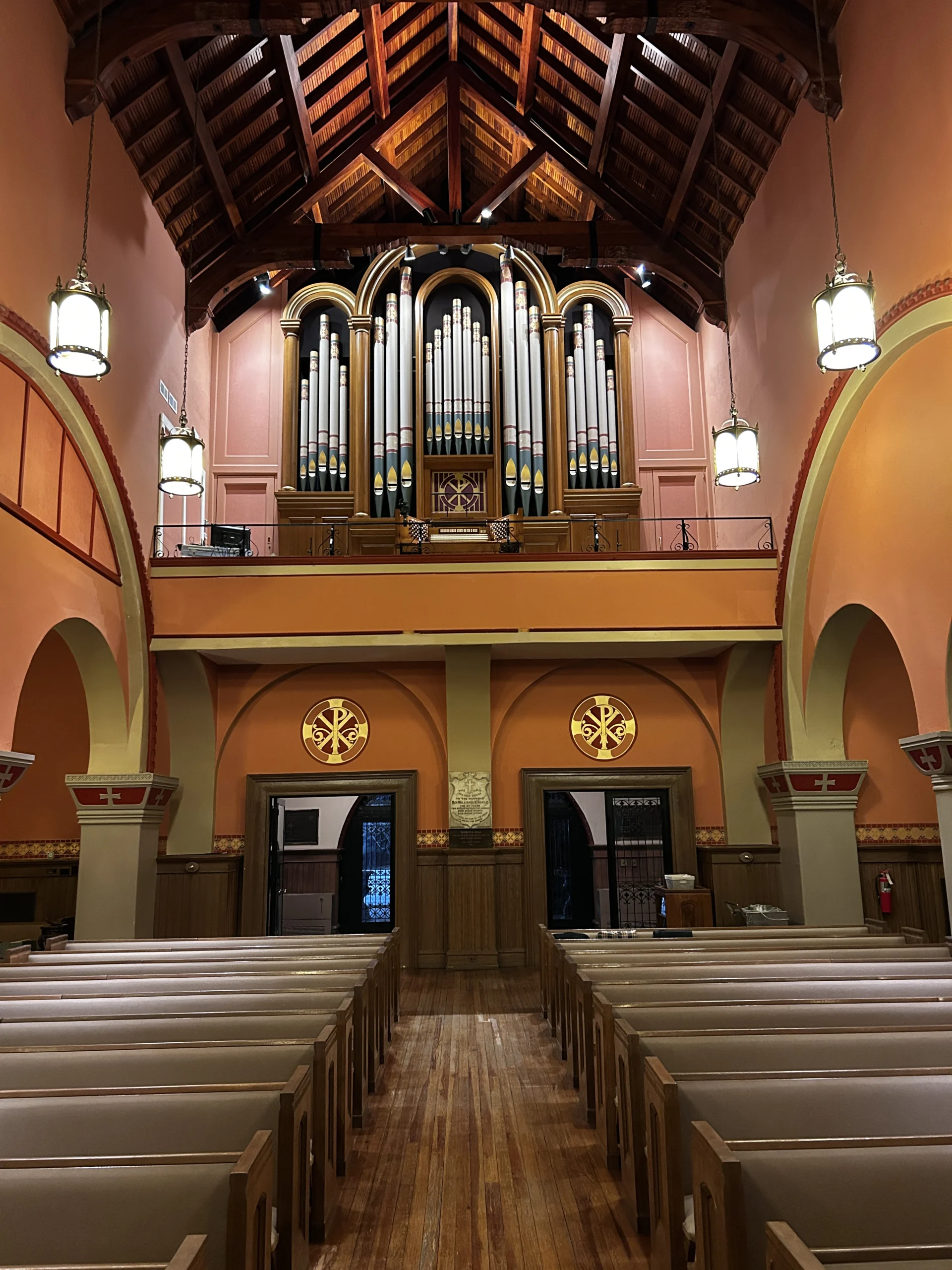
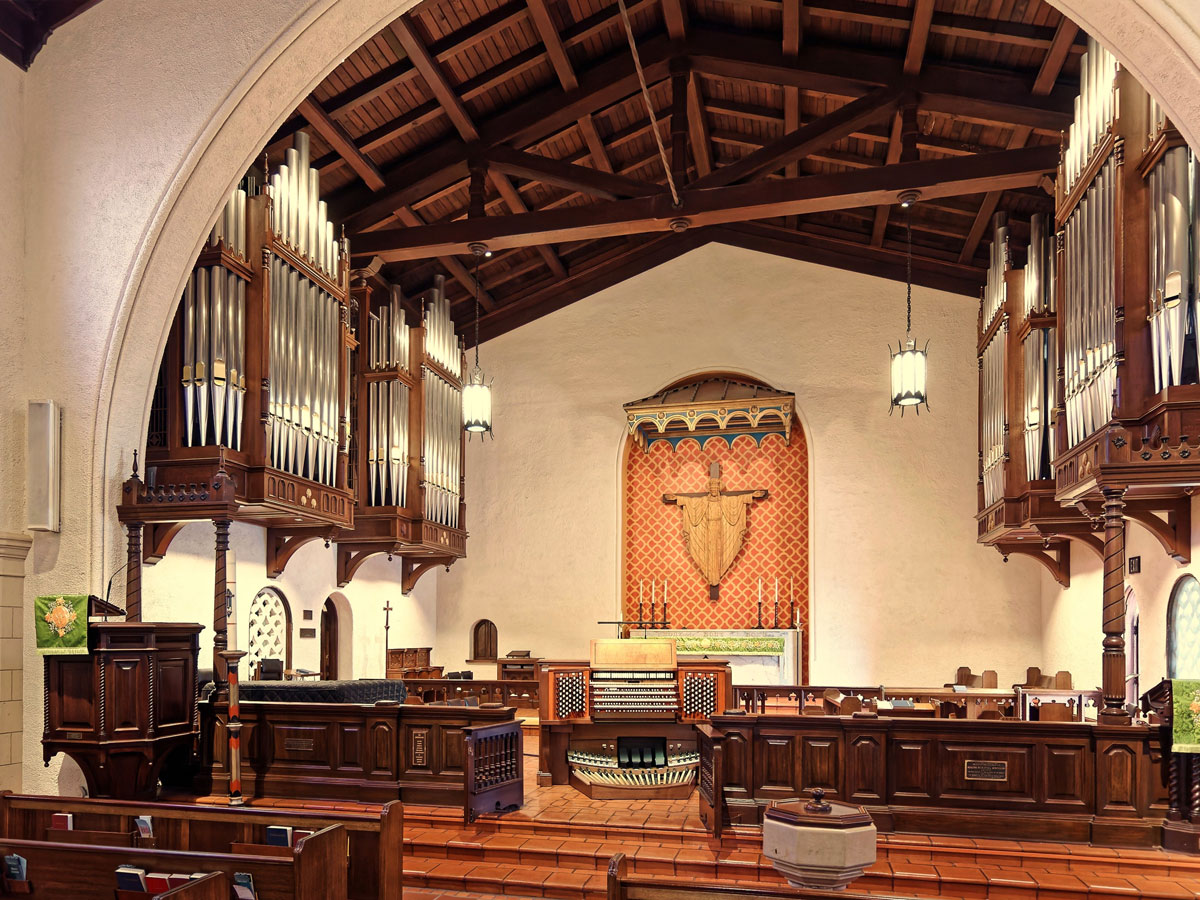
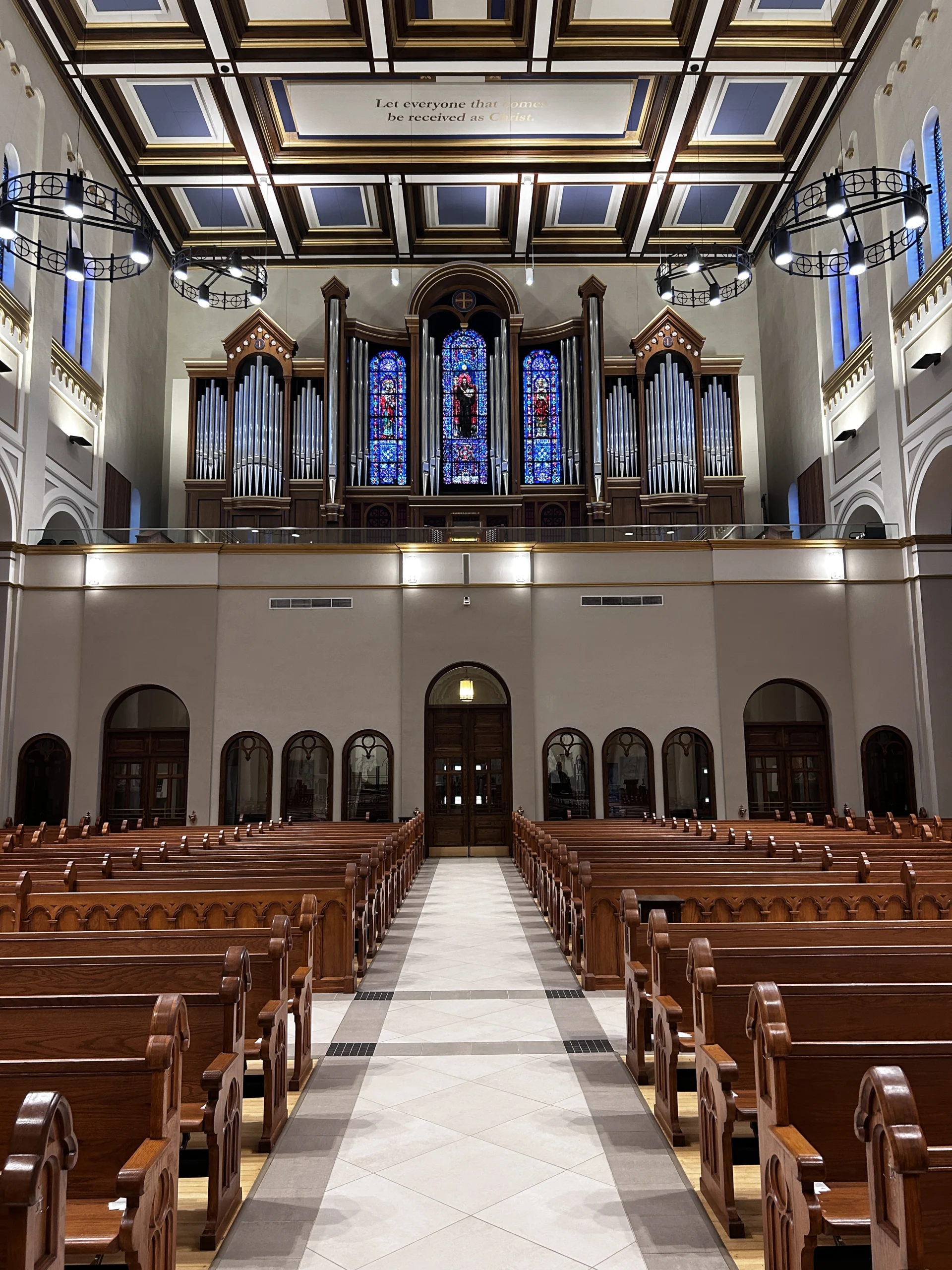
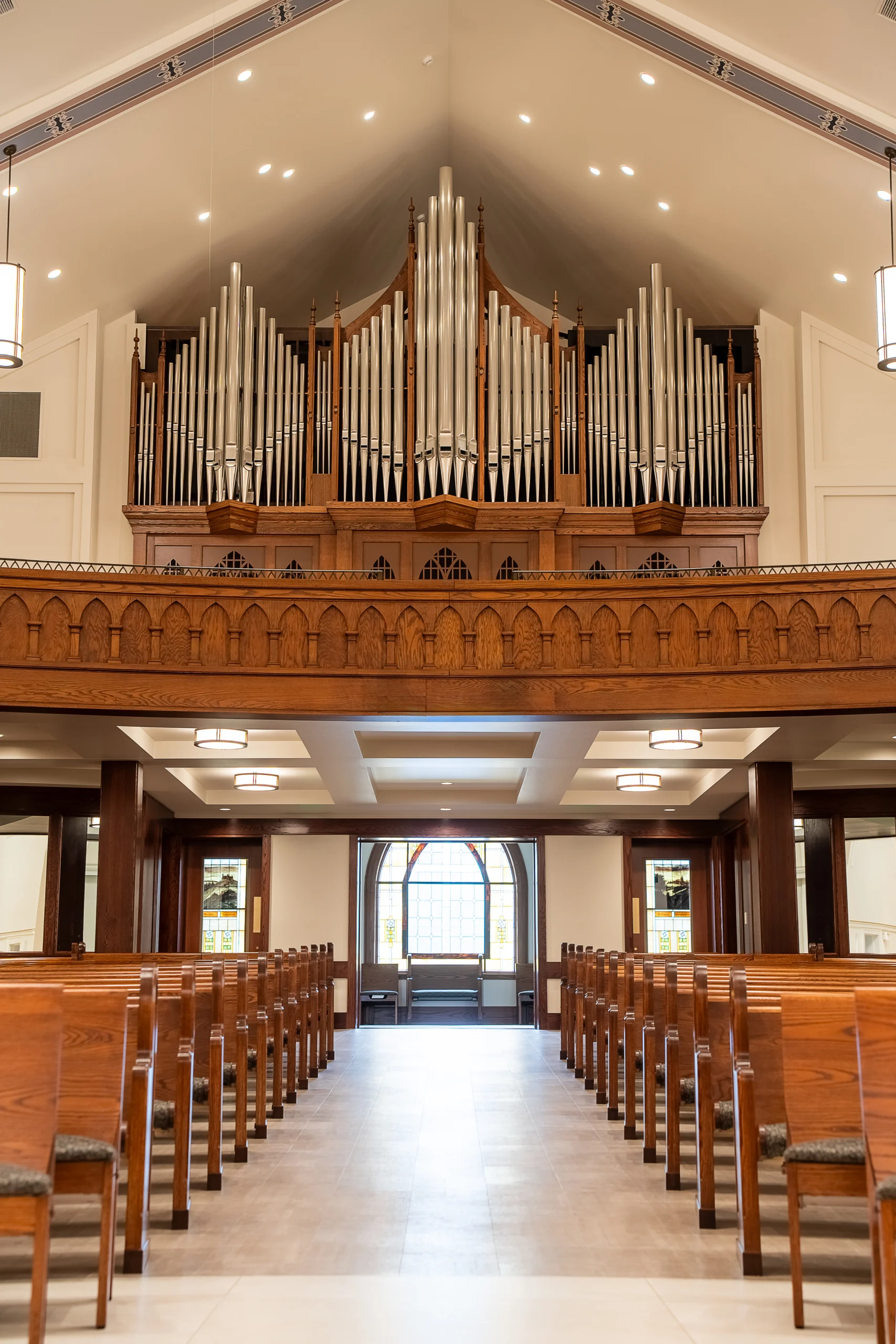
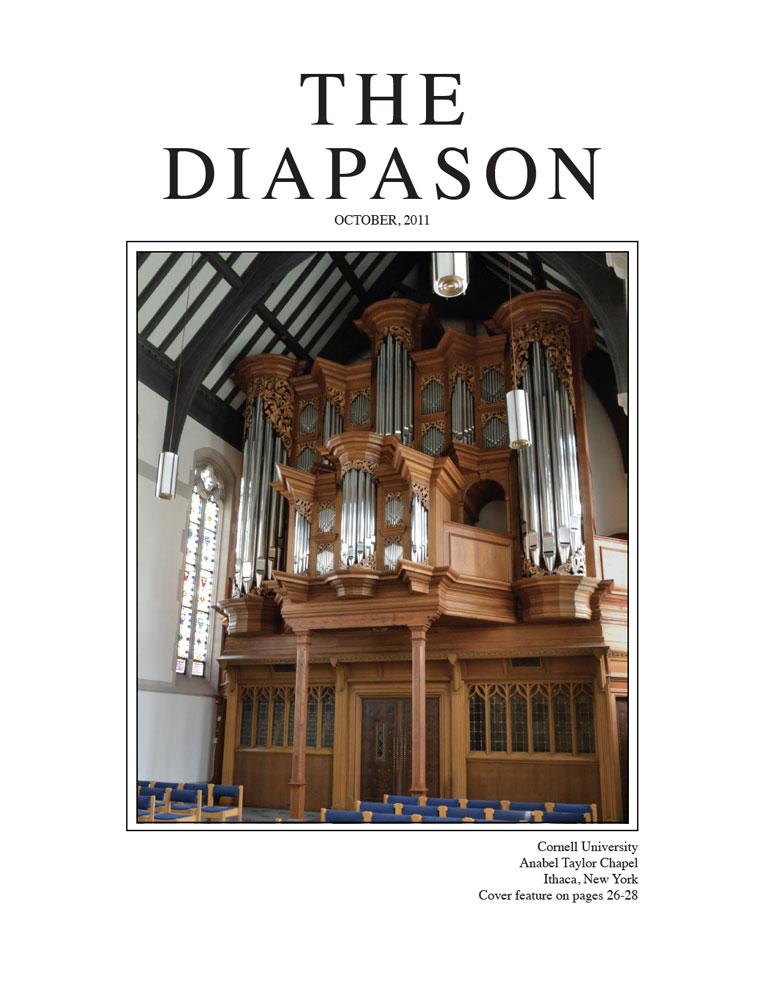
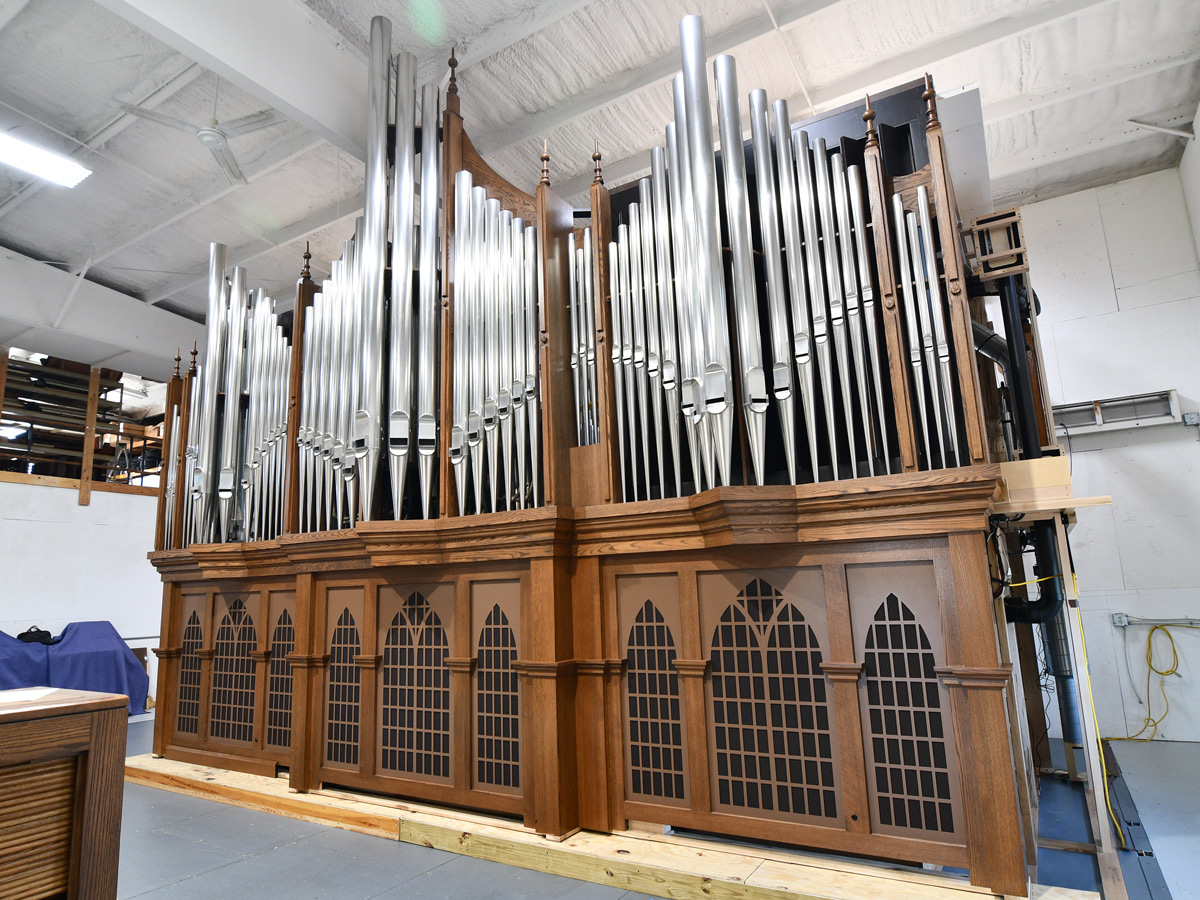
The visual effect that a custom-designed and handcrafted case has on the viewer will determine, before a single note is played, the quality of the music yet to be heard. Our organs are specifically designed to blend with their architectural surrounding. We use artistsʼ renderings and enhanced three-dimensional computer graphics to allow our clients to view our custom designs in a simulated church environment. Computer-aided design allows us to create a variety of perspective renderings and to transfer the final design directly into shop construction drawings.
When you are researching the pipe organ builder that is right for your church, remember that you are buying the skill of experienced craftsmen rather than just merchandise. To attain a high level of technology and quality, you must invest at a level that will allow the craftsmen the freedom to do their very best for you. This investment will return itself in many decades of reliable service to your congregation.
Lorem ipsum dolor sit amet, consectetur adipiscing elit. Morbi vel nulla sapien. Class aptent tacitiaptent taciti sociosqu ad lit himenaeos. Suspendisse massa urna, luctus ut vestibulum necs et, vulputate quis urna. Donec at commodo erat. Sed egestas consequat augue eu iaculis. Sed gravida, nisl ac lobortis pulvinar, augue est vulputate felis, vel pulvinar ex eros sed est. In hac habitasse platea dicssa. Duis sodales eleifend sem, nonsi semper dui consectetur on roin leoi.
Tempus eget urna id, maximus commodo odio. Lorem ipsum dolor sit amet, consectetur elits sadips. Praesent alis lacus. Nunc at vulputate justo.
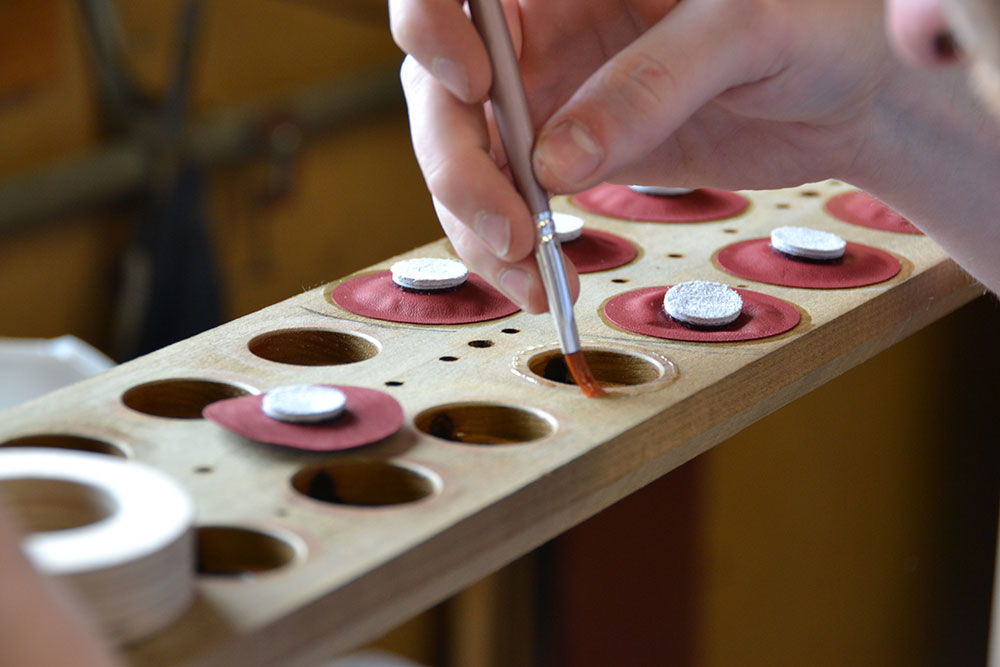
Parsons is the premier tuning and technical service company in New York State. Our staff oversees the care of approximately 200 pipe organs on an annual basis. As an organbuilding firm, our service staff is equipped for every aspect of a thorough repair project, including: flue and reed voicing; woodworking and refinishing; electrical work and solid state troubleshooting; and the fabrication of custom components for any pipe organ.
We are often asked about the advantages of a Pipe Organ Tuning Contract. This agreement between our firm and your church benefits both parties. Some of these benefits are listed below.
Project Management
Our years of experience in collaborative project management enable us to plan, control and execute your project to ensure the highest quality result achieved on time and within budget.
Integrity.
We believe superior customer service means doing what you say you will, when you say you will, how you say you will, at the price you promised.
Craftsmanship.
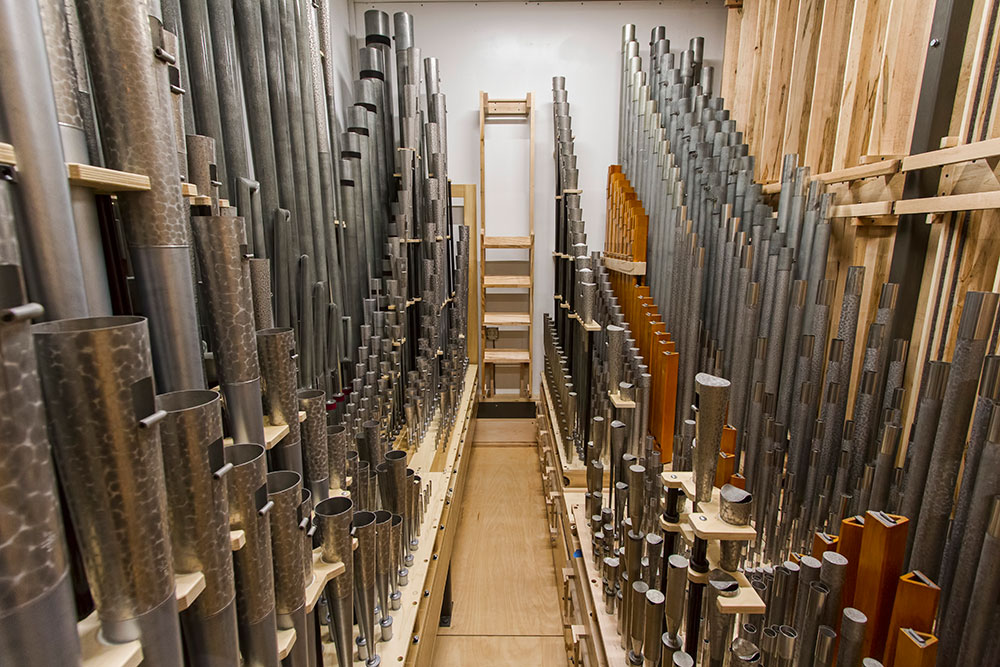
Our staff is equipped for every aspect of a repair project, including: voicing; woodworking and refinishing; electrical repair, solid state troubleshooting and smoke, fire, water and dust damage restoration.
Communication.
Our years of experience in collaborative project management enable us to plan, control and execute your project to ensure the highest quality result achieved on time and within budget.
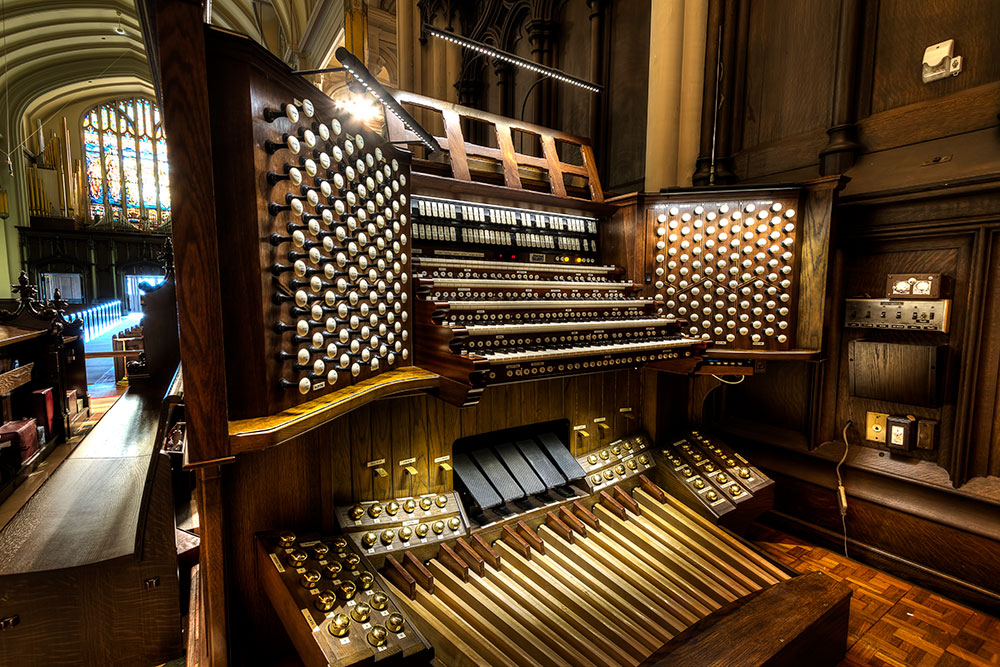
“It has been a true privilege to watch your team meticulously work to bring this organ back to life. I believe we all thought that it would never play again, but you guys proved that to be wrong. I learned so much about this organ by watching you disassemble and then reassemble and tune it, wow, it’s so much more than a keyboard and a bunch a gold-colored fascia pipes!”

Helpful Information
Organ Features